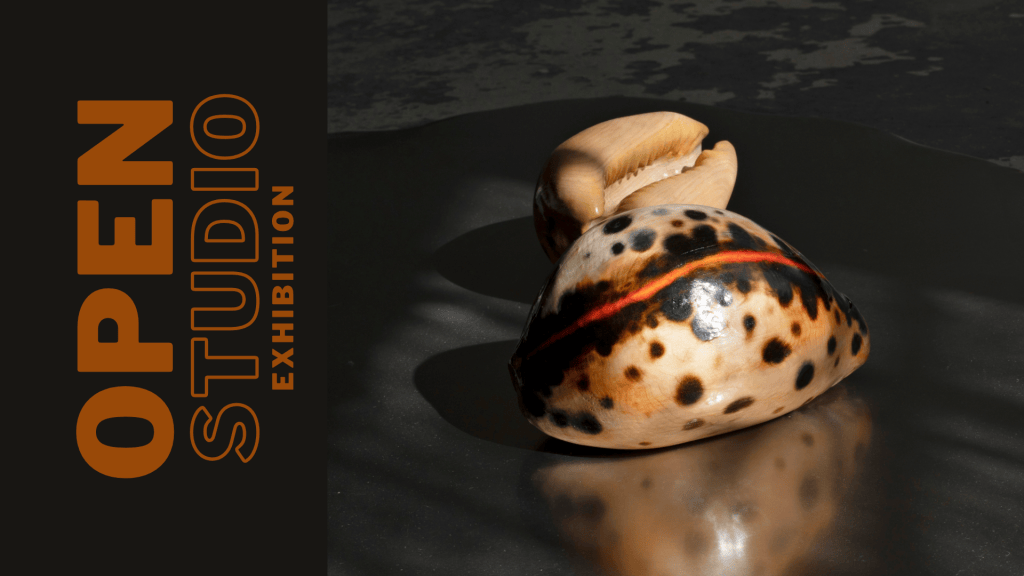
Open Studio Exhibition – Queenning Zhao, 19–26 November 2026
VERNISSAGE:
Thursday, 19 November, 18.00–21.00
→ Artist presentation: 18.30
→ Followed by a mingle with drinks & crisps
ADDRESS:
Gelb Ateljéer / Industrivägen 19, 2nd floor
171 48 Solna
→ If the door is locked, please call: 0728522049 (Edit) or 0739121368 (Queenning)
OPENING HOURS:
Saturday, 21 November, 14.00–17.00
Tuesday, 24 November, 17.00–20.00
(or by appointment, email to: flat.octopus@gmail.com)
FINNISSAGE:
Thursday, 26 November, 18.00–21.00
→ Artist talk: 18.30
→ Followed by a mingle with drinks & crisps
The exhibition is curated and organised by Edit Fándly.
On 19 November, artist Queenning Zhao will open her studio to us for a special edition of our Open Studio series: Open Studio Exhibition.
The format combines the intimacy and informality of an artist studio visit with the carefully selected and presented works of an exhibition. Rather than offering a finished and fixed display, the exhibition unfolds within Queenning’s working environment, where artworks, materials, ideas, and conversations coexist. It provides a glimpse into her practice, which explores traces, memory, cultural knowledge, and how experiences are carried, transformed, or lost.
At Flat Octopus, we enjoy meeting artists where their ideas are taking shape. Spending time in their studios allows us to see how they work, what they are experimenting with, how they approach their process, and what inspires them. It is an opportunity to connect more deeply and engage in meaningful conversations.
The vernissage will include an artist presentation, informal discussions, and plenty of questions from both you and us, followed by drinks, snacks, and a chance to mingle. The exhibition will remain open for one week and conclude with a finissage featuring an artist talk. This second gathering will offer another opportunity to activate Queenning’s space and gain deeper insight into her artistic practice.
The displayed works will be installed in the studio for the vernissage and may be repositioned or joined by new pieces before the finissage. In this way, the exhibition reflects how a conversation around an artistic practice can unfold, reveal new layers, and expand within the specific setting of the studio.
Queenning Zhao is a Stockholm-based artist working across sculpture, installation, and scenography. Her practice explores memory, history, cultural knowledge, alongside questions of impermanence and change. She is interested in how traces of people, places, and experiences are carried, transformed, or lost, shaped by both personal and collective stories. Drawing inspiration from theatre stage sets, she works with shifts in scale and materiality, exploring the relationships between the intimate and the monumental, and the natural and the constructed.
Queenning studied at HDK in Gothenburg and Konstfack in Stockholm.
An email interview with Queenning Zhao conducted by Edit Fándly
Edit Fándly: What connects sculpture, installation, and set design in your practice?
Queenning Zhao: For me, sculpture, installation, and set design are connected through an interest in space and how we experience it. I’m interested in how objects and bodies relate to their surroundings, and how different elements can come together to create a particular atmosphere or sense of place. I think what connects these practices for me is the possibility of creating situations that shift our perception and draw attention to our presence within a space, even if only temporarily.
E.: What does shifting between the small and large scale, or between the intimate and the public, allow you to explore?
Q.: I’m interested in how scale influences the way we perceive and relate to things. Objects that once seemed enormous in childhood can feel surprisingly small when we encounter them again as adults, and I find this shift in perception fascinating. By scaling things up, I can create a sense of unfamiliarity, making something familiar strange while also amplifying certain details and qualities. Shifting scale also changes our relationship to an artwork and its surroundings, making us more aware of our own bodies and how we inhabit a space.
E.: You work across a range of media and techniques. Is your choice of medium primarily determined by each project, or do you sometimes enter periods of focusing on a particular medium, technique, or material?
Q.: I would say it’s a combination of both. Sometimes I start with an idea that leads me towards a particular material, while at other times, the material itself or the process of learning a new technique opens up new possibilities. At the moment I’m in a wood period, exploring what the material can do and allowing the process to take me somewhere unexpected. I often work with found wood, including trees that have been felled or affected by pests, and I’m interested in how the material’s existing qualities, traces, and history can influence the work. For me, it’s a back-and-forth between having an intention and remaining open to what emerges through making.


